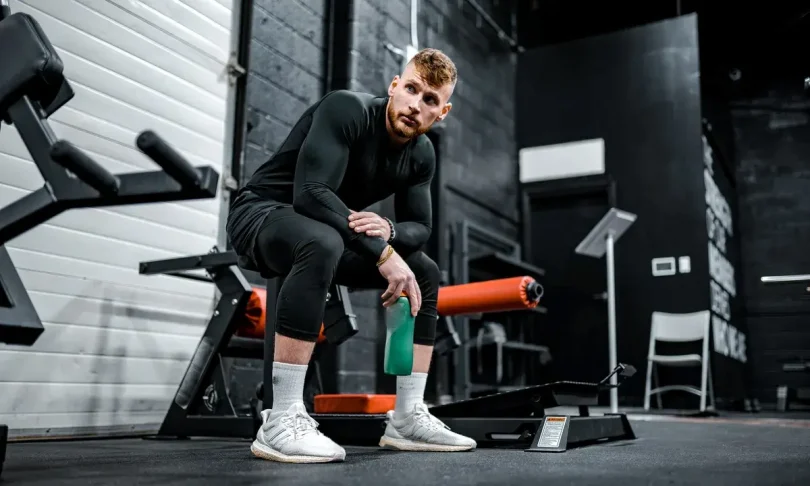

If you’re on the hunt for training sneakers men, you’re in the perfect spot. Whether you’re pounding the treadmill, lifting weights, attending a high-intensity class, or just walking around town, the right sneakers can make a huge difference. These aren’t just shoes—they’re your performance partners.
The right pair can support your feet, reduce fatigue, prevent injuries, and even make your workouts feel a lot more enjoyable. Think of them as your trusty sidekick for every step, jump, and sprint.
Why Choosing the Right Training Sneakers Matters
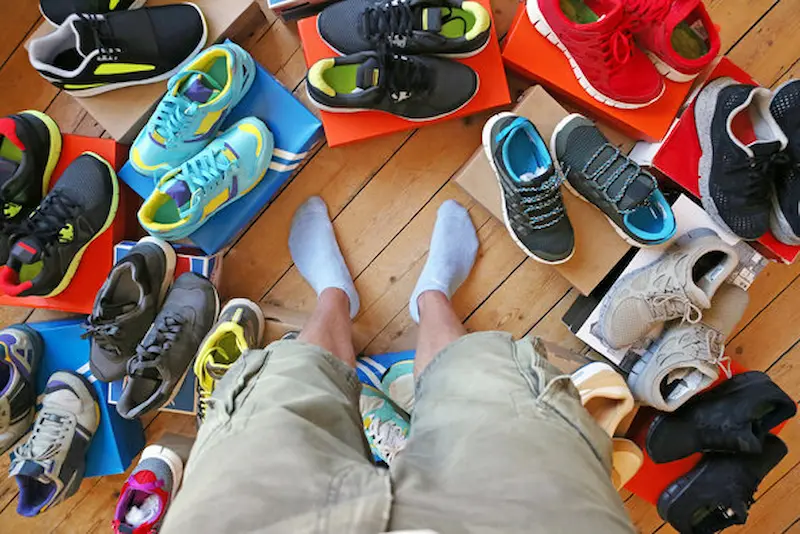
You might be thinking, “It’s just sneakers, why make a big deal out of it?” Well, here’s the thing: not all sneakers are created equally, especially when it comes to training sneakers men. The right pair can:
- Prevent injuries: Sneakers with proper arch support, cushioning, and stability help prevent ankle sprains, knee pain, and shin splints—common problems if your shoes aren’t up to the task.
- Boost performance: Training sneakers designed for your workout style improve traction, balance, and movement efficiency, making your exercises safer and more effective.
- Enhance comfort: Cushioned soles and breathable materials mean you can train longer without feeling pain, blisters, or overheating.
- Add style: Let’s face it—looking good at the gym or during a run adds a confidence boost. Training sneakers men come in a variety of styles, colors, and designs so you can train and look great.
Bottom line? Good sneakers are an investment in both performance and your health.
Key Features to Look for in Training Sneakers
When browsing for training sneakers men, these features are non-negotiable:
- Support and Stability
Lifting weights, jumping, or doing lateral moves demands shoes that stabilize your feet. Look for firm midsoles and arch support to prevent your feet from rolling during exercises. - Breathability
Mesh uppers or shoes with ventilation keep your feet cool, dry, and sweat-free, which reduces the risk of blisters and discomfort during longer workouts. - Cushioning
Good cushioning absorbs shock during running, jumping, and high-impact exercises. Sneakers with adequate foam or air soles make your workouts much gentler on your joints. - Durability
Quality sneakers last longer. Check for thick, sturdy outsoles and reinforced stitching that won’t wear out after a few weeks of training. - Flexibility
Training often requires multi-directional movement. Sneakers that bend easily along with your foot allow for natural movement and reduce strain.
Types of Training Sneakers for Men
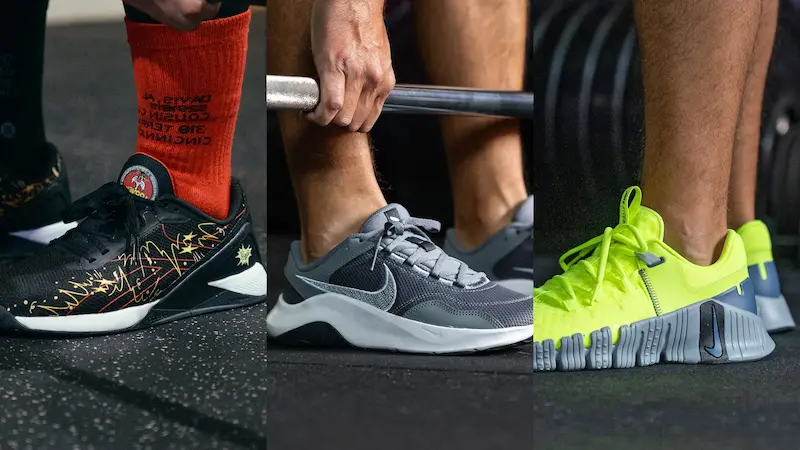
Different workouts require different sneakers. Here’s a breakdown of common types:
- Cross-Trainers:
Perfect for versatile workouts that combine running, lifting, and agility exercises. They provide a good balance of cushioning, support, and flexibility. - Running Sneakers:
Lightweight, cushioned, and built for forward motion. These are excellent for treadmill runs or outdoor jogging but may not offer enough lateral support for other workouts. - High-Performance Trainers:
Designed for serious athletes, these sneakers offer maximum support, extra cushioning, and high traction for intense workouts. Ideal if you do heavy lifting, plyometrics, or sport-specific training. - Minimalist Sneakers:
Lightweight and flexible, these mimic barefoot movement and are great for improving foot strength and posture—but may not suit everyone.
Tips for Choosing Your Perfect Pair
Getting the right fit is essential. Here’s how to make sure your training sneakers men feel like they were made just for you:
- Try them on at the end of the day: Your feet swell throughout the day. Trying sneakers in the evening ensures they won’t feel tight during your workout.
- Snug but not tight: Your heel should stay in place, and your toes should have room to wiggle. Too tight can hurt; too loose can cause blisters.
- Match them to your activity: Running? Go for cushioning. Lifting? Focus on stability. Cross-training? Look for versatile options.
- Replace when worn out: Even the best sneakers lose support over time. Old sneakers increase the risk of injury and reduce workout efficiency.
You may also like to read this:
Fitness Training Accessories: Must-Have Gear For Workouts
Best Home Gym Training Tools For Beginners & Pros
Strength Training Accessories: Maximize Your Gains Safely
Athlete Workout Gear: Top Picks For Every Fitness Level
Running Shoes For Athletes: Guide To Peak Performance
Caring for Your Training Sneakers
To get the most from your investment:
- Clean them regularly: Remove dirt and sweat with a soft brush and mild soap. Avoid harsh chemicals that can damage the materials.
- Air-dry: Never put sneakers in the dryer; heat can warp soles and shrink materials. Let them dry naturally.
- Rotate your sneakers: If you train frequently, having two pairs helps reduce wear and prolongs the life of both.
Final Thoughts
Choosing the right training sneakers men doesn’t have to be stressful. Focus on comfort, support, durability, and the type of training you do. Your sneakers are more than just a style statement—they’re a tool that can improve your performance, protect your feet, and make workouts more enjoyable. Treat them right, and they’ll help you train smarter, move better, and achieve your goals faster.
Remember, your feet are the foundation of your performance. Pick the right sneakers, and everything else becomes easier.
FAQs About Training Sneakers Men
1. What are the best training sneakers for men?
The best training sneakers depend on your workout style. Cross-trainers are versatile, running sneakers are ideal for cardio, and high-performance trainers are perfect for intense workouts or lifting. Look for comfort, support, and durability.
2. How do I choose the right size for training sneakers men?
Try sneakers on at the end of the day when your feet are slightly swollen. Your toes should have enough wiggle room, and your heel should fit snugly without slipping.
3. Can I use running sneakers for all types of training?
Not always. Running sneakers are designed for forward motion and may lack lateral support, which is important for lifting, agility, or cross-training exercises.
4. How often should I replace my training sneakers?
Generally, training sneakers should be replaced every 300–500 miles of running or every 6–12 months of frequent gym use, depending on wear and tear. Worn-out sneakers can increase the risk of injury.
5. Are expensive training sneakers worth it?
High-quality sneakers often provide better cushioning, durability, and support. While price doesn’t always equal quality, investing in a good pair can improve performance and reduce injury risk over time.