
If you’re a runner, a fitness enthusiast, or someone who enjoys jogging regularly, lightweight running footwear can transform the way you move. These shoes are specifically designed to reduce the weight on your feet while providing comfort, support, and performance benefits. Whether you’re training for a marathon, doing casual jogs in the park, or running errands, the right pair of lightweight running footwear can make your experience smoother, faster, and more enjoyable.
In this guide, we’ll explore everything you need to know—from benefits and features to buying tips, maintenance, and FAQs—so you can confidently choose the perfect pair for your running needs.
Why Lightweight Running Footwear Is a Game-Changer
Lightweight running footwear is more than just a trend—it’s a functional upgrade for anyone who wants to optimize their running. Here’s why these shoes matter:
1. Enhanced Speed and Agility
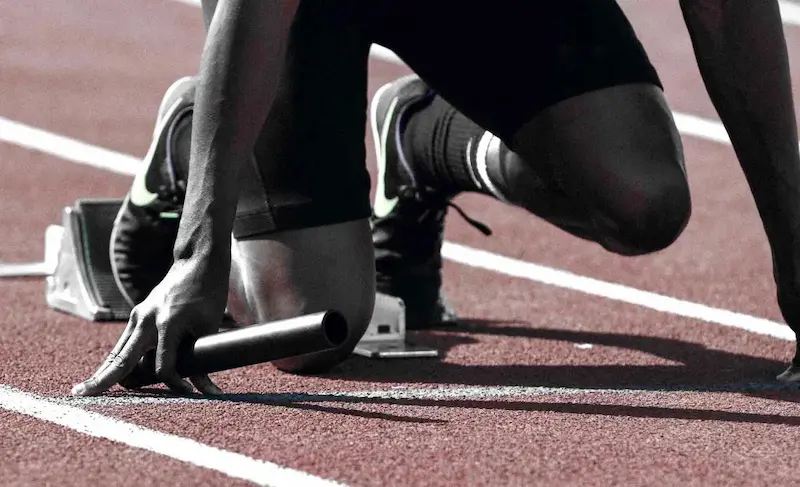
One of the most obvious advantages is speed. Less weight on your feet means every step requires less effort, allowing you to run faster without straining your muscles. Competitive runners often prefer lightweight shoes for races and interval training because they enable quicker acceleration and better control.
2. Reduced Fatigue on Long Runs
Running long distances can be exhausting, especially if your shoes are heavy. Lightweight running footwear minimizes the energy your legs expend with each step, reducing fatigue and helping you maintain better form for longer periods.
3. Comfortable and Responsive
These shoes often feature breathable uppers, flexible midsoles, and responsive cushioning. The result? A natural running experience that adapts to your stride, giving you comfort without compromising performance.
4. Promotes Natural Stride
Heavier shoes can sometimes alter your running mechanics, causing overstriding or improper foot placement. Lightweight running footwear encourages a more natural foot motion, which can reduce the risk of certain injuries over time.
Key Features to Look For in Lightweight Running Footwear
When shopping for lightweight running shoes, it’s essential to pay attention to features that make them effective and durable:
- Breathable Upper Materials: Mesh or knit fabrics improve airflow, keeping your feet cool and dry during runs.
- Responsive Cushioning: Look for midsole materials like EVA foam or specialized gels that provide comfort without adding bulk.
- Flexible Sole: A flexible outsole allows your foot to move naturally, supporting efficient push-offs and landings.
- Durability: Even lightweight shoes should have sturdy outsoles for traction and protection, especially if you run on various surfaces.
- Lightweight Construction: True to their name, these shoes typically weigh less than traditional running shoes, often between 6–9 ounces.
Who Benefits Most from Lightweight Running Footwear
While almost anyone can enjoy the advantages, certain groups find them particularly useful:
- Competitive Runners: Athletes who want to maximize speed and efficiency during races or training sessions.
- Casual Runners: People who want comfortable, fatigue-free jogging without heavy shoes slowing them down.
- Gym Enthusiasts: Lightweight running footwear works well for treadmill workouts, indoor cardio, and cross-training sessions.
- Traveling Runners: Because they’re compact and easy to pack, these shoes are ideal for runners on the go.
Note: If you have foot conditions like plantar fasciitis or overpronation, make sure to choose a lightweight shoe that still offers the necessary support. Sometimes a slightly heavier, more supportive shoe is safer for your feet.
You may also like to read this:
Athlete Workout Gear: Top Picks For Every Fitness Level
Running Shoes For Athletes: Guide To Peak Performance
Guide To Training Sneakers Men: Choose The Right Pair Today
Women Sports Shoes For Comfort, Style & Performance
Best High Performance Athletic Shoes For Every Workout
Tips for Choosing the Right Pair
Choosing the right pair of lightweight running footwear requires more than just picking a cool design. Here’s a practical guide:
- Try Them On in the Evening: Feet tend to swell throughout the day, so trying shoes in the evening ensures a comfortable fit.
- Consider Your Running Style: Neutral runners can go for ultra-light shoes, while overpronators may need stability features.
- Check the Toe Box: Your toes should have enough room to wiggle, but your heel should stay snug.
- Match Shoes to Terrain: Road shoes differ from trail shoes in traction and durability. Make sure the shoe suits where you run most.
- Test the Weight: Pick up the shoes and jog a few steps if possible. The lighter they feel without compromising support, the better.
Maintenance Tips for Lightweight Running Footwear
Keeping your lightweight running footwear in top shape ensures longevity and performance:
- Clean Them Regularly: Wipe away mud and dirt after runs to prevent material breakdown.
- Avoid Machine Washing: Hand wash gently to maintain structure and cushioning.
- Rotate Pairs: Using two or more pairs helps extend the life of each shoe.
- Dry Properly: Avoid direct heat; instead, air-dry to prevent sole and fabric damage.
- Inspect for Wear: Replace your shoes every 300–500 miles, depending on usage and terrain.
Common Mistakes to Avoid
- Choosing style over fit—lightweight shoes should be comfortable first, stylish second.
- Ignoring your gait—make sure the shoe matches your running mechanics.
- Skipping proper break-in—run short distances initially to allow your feet to adapt.
- Neglecting terrain—road shoes on trails can wear out quickly and reduce stability.
Conclusion
Investing in lightweight running footwear is an investment in your running comfort, speed, and overall performance. These shoes make every step feel easier, reduce fatigue, and encourage a natural stride, whether you’re running a short jog or a full marathon. By understanding the features, benefits, and maintenance tips, you can confidently select the perfect pair that fits your style, stride, and running environment.
Lace up, feel the freedom of lightweight running, and experience a smoother, faster, and more enjoyable run every time!
FAQs About Lightweight Running Footwear
Q1: Are lightweight running shoes suitable for beginners?
Yes! They reduce fatigue and improve comfort, but beginners should ensure proper support to prevent injury.
Q2: Can I use lightweight running footwear for trails?
Some models are designed for trails with extra grip and durability. Check the outsole before buying.
Q3: How often should I replace my lightweight running shoes?
Typically every 300–500 miles, depending on terrain, usage, and your running style.
Q4: Do lightweight running shoes have enough cushioning?
Modern lightweight shoes balance lightness with responsive cushioning, but always test for your comfort level.
Q5: Can lightweight running footwear prevent injuries?
They can reduce fatigue and encourage proper form, but injury prevention also depends on fit, support, and running technique.