
Whether you’re a professional athlete, a weekend warrior, or someone who’s just getting started with running, having the right running shoes for athletes is a game-changer. The shoes you choose aren’t just about style—they directly affect your performance, comfort, and even your risk of injury. Think of them as your trusty companions on every run, helping you move efficiently while keeping your feet safe and supported.
Running is one of the most natural forms of exercise, but it can also be tough on your body if your footwear isn’t up to the task. From cushioning and support to traction and durability, every detail of your shoes matters. In this guide, we’ll take a deep dive into everything you need to know to pick the perfect pair of running shoes, helping you run smarter, faster, and more safely.
Why the Right Running Shoes Matter
You might be tempted to grab any pair of sneakers and call it a day, but athletes need shoes designed for running. The benefits of wearing the right shoes go beyond comfort—they directly influence your performance and help prevent injuries. Here’s why the right pair matters:
- Cushioning and Shock Absorption: Each step you take while running sends impact forces through your feet, knees, and hips. Shoes with proper cushioning, like gel or foam midsoles, absorb this shock, reducing stress on your joints and muscles.
- Proper Support: Everyone’s feet move differently. Some feet roll inward (overpronation), while others roll outward (supination). The right shoes provide support where it’s needed, helping maintain alignment and prevent injuries such as plantar fasciitis, shin splints, or knee pain.
- Enhanced Performance: Lightweight and well-designed shoes allow for smoother strides and better energy transfer. This can improve your speed and endurance without making you feel weighed down.
- Durability: High-quality running shoes are built to last hundreds of miles, protecting your feet while saving you money in the long run. Cheaper shoes might wear out quickly, losing support and increasing the risk of injury.
Investing in the right running shoes isn’t just about comfort—it’s about making your running experience safer and more enjoyable.
Understanding Your Foot Type
Before buying running shoes for athletes, it’s essential to understand your foot type. Your foot mechanics play a huge role in the kind of shoe you need. Here’s a quick breakdown:
- Neutral Feet: If your foot has a normal arch and doesn’t roll excessively inward or outward, you have a neutral foot type. Neutral shoes with balanced cushioning and support work best for you.
- Overpronation: Overpronators have feet that roll inward too much when running. This can strain your knees and ankles. Stability shoes or motion-control shoes with extra support are ideal for correcting your gait.
- Supination (Underpronation): Supinators have feet that roll outward, putting more stress on the outer foot and legs. Cushioned shoes with extra flexibility help absorb shock and protect your joints.
Most specialty running stores offer gait analysis to determine your foot type. This simple test can save you from discomfort and injuries down the line.
Key Features to Look For
When shopping for running shoes for athletes, it’s important to focus on features that directly impact performance and comfort:
- Cushioning: Choose shoes with adequate midsole cushioning to absorb impact. Gel, foam, or air technology can make a noticeable difference, especially on long runs.
- Breathability: Shoes with mesh uppers allow air circulation, keeping your feet cool and dry, which helps prevent blisters and discomfort.
- Fit: Your shoes should fit snugly but comfortably. Make sure your toes can wiggle slightly, your heel stays in place, and there’s no slipping.
- Weight: Lighter shoes allow for faster movement and less fatigue, which is especially important for races or high-intensity training.
- Traction: The outsole pattern should match your running surface. Road shoes provide smooth soles for pavement, while trail shoes have aggressive treads for dirt, rocks, and uneven terrain.
Function should always come before fashion. While vibrant colors and designs are tempting, your shoes’ technical features are what truly matter for performance and safety.
Popular Types of Running Shoes
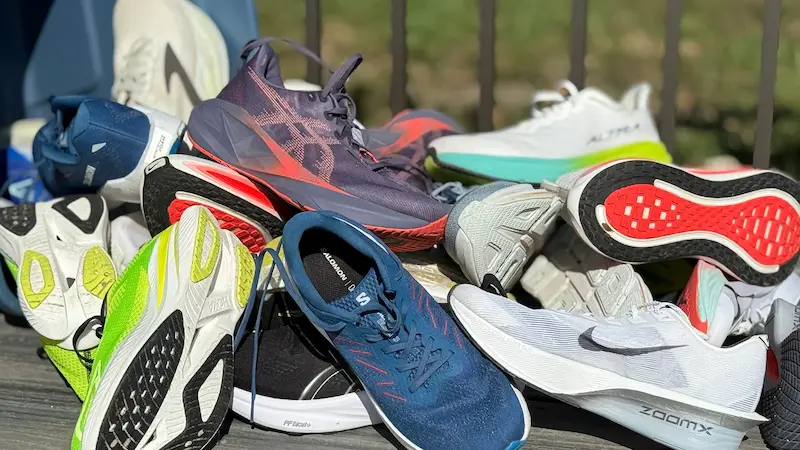
There are several types of running shoes for athletes, each designed for specific purposes and terrains:
- Road Running Shoes: Lightweight and cushioned, perfect for pavement, sidewalks, or treadmill workouts. They focus on comfort and smooth movement.
- Trail Running Shoes: Durable and rugged, with thicker soles and deeper treads. Ideal for off-road adventures, hiking paths, or uneven surfaces.
- Racing Flats: Extremely lightweight with minimal cushioning, designed for speed and competitive races. These are best for experienced runners who want maximum performance.
- Cross-Training Shoes: Versatile shoes suitable for both running and other gym activities like weightlifting or aerobics.
Selecting the right type depends on your training routine, the surfaces you run on, and your personal goals.
You may also like to read this:
Sports Training Equipment: Boost Strength & Performance
Fitness Training Accessories: Must-Have Gear For Workouts
Best Home Gym Training Tools For Beginners & Pros
Strength Training Accessories: Maximize Your Gains Safely
Athlete Workout Gear: Top Picks For Every Fitness Level
Tips for Buying the Perfect Pair
Even the best shoes won’t help if they don’t fit well. Here are some expert tips:
- Try Shoes Later in the Day: Feet naturally swell during the day, so trying shoes in the afternoon or evening ensures they won’t feel too tight.
- Wear Your Running Socks: Bring the socks you usually run in to mimic real conditions.
- Leave Some Space at the Toes: A thumb’s width of space prevents blisters, black toenails, and discomfort during long runs.
- Replace Shoes Regularly: Running shoes typically last 300–500 miles. Old shoes lose cushioning and support, increasing the risk of injury.
Conclusion
Finding the right running shoes for athletes is more than just a purchase—it’s an investment in your health, comfort, and performance. Whether you’re training for a marathon, hitting the track, or jogging for fitness, the perfect pair can make every run feel easier, safer, and more enjoyable.
Next time you’re shopping for shoes, take your time to find a pair that fits your feet, your running style, and your goals. With the right shoes, every run will feel smoother, every stride more comfortable, and your feet—and your performance—will thank you.
FAQs: Running Shoes for Athletes
1. Why are running shoes for athletes different from regular sneakers?
Running shoes for athletes are specifically designed to provide cushioning, support, and stability for running. Unlike regular sneakers, they help reduce impact, improve performance, and lower the risk of injuries.
2. How do I know my foot type for choosing running shoes?
Your foot type can be neutral, overpronated (foot rolls inward), or supinated (foot rolls outward). Most specialty running stores offer gait analysis to determine your foot type and recommend suitable shoes.
3. How often should I replace my running shoes?
Running shoes typically last between 300–500 miles (480–800 km). Worn-out shoes lose cushioning and support, which can increase the risk of injury.
4. Can I use running shoes for other workouts?
While some running shoes, especially cross-training shoes, can be used for gym workouts, running-specific shoes are optimized for forward motion and may not provide enough lateral support for activities like weightlifting or aerobics.
5. Should I buy shoes that feel tight or loose?
Your running shoes should fit snugly but comfortably. Your heel should stay in place, and you should have a thumb’s width of space at the toes to prevent blisters or black toenails.