
If you’re serious about getting stronger, fitter, and more toned, having the right strength training accessories can make all the difference. Whether you’re working out at home, in a gym, or even outdoors, these tools help you maximize your performance, protect your body from injury, and keep your workouts fun and effective. Think of them as your fitness sidekicks—they may seem small or simple, but they can have a huge impact on how fast and safely you reach your goals.
In this guide, we’ll dive into the most useful strength training accessories, explain exactly how they help you, and give tips on choosing the right ones for your fitness journey.
1. Resistance Bands
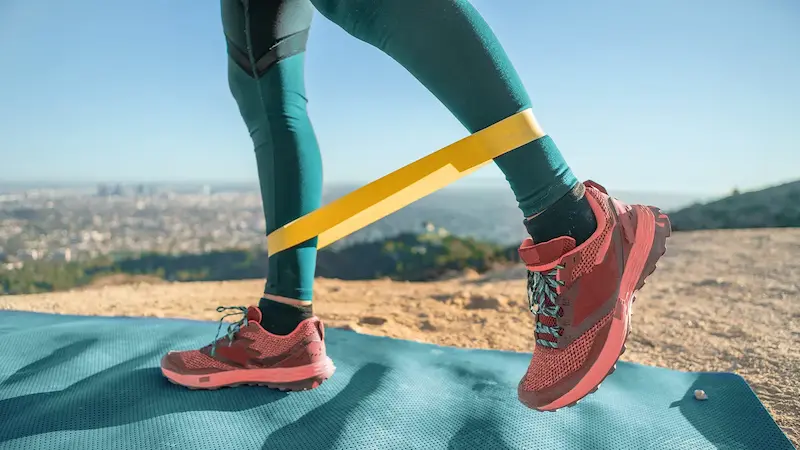
Resistance bands are some of the most versatile strength training accessories you can own. They’re lightweight, portable, and can provide variable levels of resistance for almost every muscle group.
Uses and Benefits:
- Strength Training: Add extra resistance to squats, lunges, and glute bridges.
- Assistance: Help with pull-ups or dips by reducing the load your muscles need to lift.
- Mobility & Stretching: Perfect for warm-ups or improving flexibility after workouts.
Why you’ll love them:
- Compact and travel-friendly—take them anywhere.
- Suitable for beginners and advanced lifters.
- Affordable without sacrificing effectiveness.
Tip: Choose bands with different resistance levels so you can adjust as you get stronger.
2. Weightlifting Gloves
If you’ve ever dealt with slipping grips or painful calluses during lifting, weightlifting gloves are a game-changer. They provide extra grip, padding, and wrist support, especially during heavy lifts like bench presses or rows.
Benefits:
- Grip Improvement: Keeps dumbbells, kettlebells, and barbells secure in your hands.
- Callus Protection: Reduces friction and skin damage.
- Wrist Support: Some gloves have built-in wrist straps for added stability.
Tip: Look for gloves with breathable material to prevent sweating and odor.
3. Lifting Straps
When lifting heavy weights, your grip often becomes the limiting factor. That’s where lifting straps come in—they help you hold onto bars and dumbbells longer, letting your muscles do the work without worrying about slipping.
Perks:
- Enables heavier lifting safely.
- Reduces hand fatigue, especially during deadlifts, pull-ups, or shrugs.
- Boosts confidence when attempting challenging lifts.
Tip: Use straps for back exercises like deadlifts or rows but try not to rely on them too often—building grip strength is also important.
4. Foam Rollers
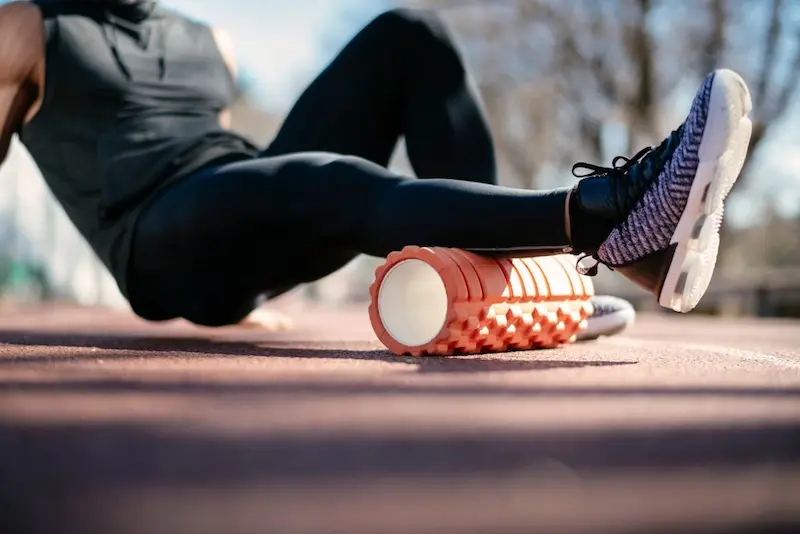
Recovery is just as important as lifting, and foam rollers are excellent accessories for post-workout recovery. They help release muscle tension, improve blood flow, and maintain flexibility.
Benefits:
- Faster Recovery: Reduces muscle soreness after intense workouts.
- Flexibility: Enhances mobility in tight areas like calves, hamstrings, and back.
- Injury Prevention: Helps prevent strains and muscle imbalances.
Tip: Use foam rolling before workouts to loosen muscles and after workouts to aid recovery.
5. Weighted Vests
Want to make bodyweight exercises like push-ups, pull-ups, or lunges more challenging? A weighted vest is perfect. By adding resistance to your own bodyweight, it increases strength, endurance, and calorie burn.
Advantages:
- Adds intensity without needing extra equipment.
- Boosts overall strength and cardiovascular fitness.
- Adjustable weights allow gradual progression.
Tip: Start with a lighter vest and gradually increase weight to prevent strain on joints.
6. Kettlebells and Dumbbells
No list of strength training accessories is complete without kettlebells and dumbbells. These are classic tools for building strength, toning muscles, and performing a wide variety of exercises.
Why they’re essential:
- Versatile Workouts: From swings and presses to curls and squats, the options are endless.
- Full-Body Training: Engage multiple muscles simultaneously.
- Home-Friendly: Perfect for small spaces and scalable with different weights.
Tip: Invest in adjustable dumbbells or kettlebells for a cost-effective way to progress over time.
You may also like to read this:
Best Durable Activewear For Comfort, Style, And Performance
Resistance Bands For Training: Tips, Benefits, And Exercises
Sports Training Equipment: Boost Strength & Performance
Fitness Training Accessories: Must-Have Gear For Workouts
Best Home Gym Training Tools For Beginners & Pros
7. Jump Ropes
It might surprise you, but a jump rope is a powerful strength training accessory. Beyond cardio, it enhances coordination, leg strength, and overall conditioning, indirectly supporting your strength routine.
Benefits:
- Great warm-up for strength training.
- Improves agility, timing, and footwork.
- Compact, portable, and extremely affordable.
Tip: Use a jump rope for short bursts (1-3 minutes) between strength exercises for a HIIT-style challenge.
8. Ab Wheels
For anyone looking to strengthen their core, ab wheels are an effective accessory. They target abs, obliques, and lower back while also engaging your shoulders and arms.
Benefits:
- Builds core stability and strength.
- Improves posture and functional fitness.
- Can be used at home or in the gym.
Tip: Beginners should start on knees to avoid straining the lower back.
Final Thoughts
Incorporating the right strength training accessories can truly elevate your workouts. From resistance bands and lifting straps to dumbbells, kettlebells, and foam rollers, these tools make training safer, more effective, and enjoyable.
Start small, pick the accessories that match your goals, and gradually expand your collection as you progress. Remember, it’s not just about lifting heavier—it’s about training smarter, staying consistent, and taking care of your body.
So, grab your favorite accessory, put it to work, and watch your strength, confidence, and fitness levels soar!
FAQs About Strength Training Accessories
1. What are strength training accessories?
Strength training accessories are tools and equipment that help enhance your workouts. They include items like resistance bands, weightlifting gloves, lifting straps, dumbbells, kettlebells, foam rollers, and more. These accessories make exercises safer, more effective, and enjoyable.
2. Do I need strength training accessories at home?
No, you can still build strength using bodyweight exercises. However, accessories can help you progress faster, target specific muscles, and add variety to your workouts. They are especially useful if you want to lift heavier safely or improve recovery.
3. Which strength training accessory should beginners start with?
Beginners often benefit from resistance bands, dumbbells, and weightlifting gloves. These tools are easy to use, affordable, and help build strength while reducing the risk of injury.
4. Can strength training accessories prevent injuries?
Yes! Accessories like lifting straps, gloves, foam rollers, and weighted belts provide support, improve grip, and aid recovery. They help protect your joints and muscles from strain or overuse.
5. How often should I use foam rollers?
Foam rolling can be done before workouts to warm up muscles and after workouts to speed up recovery. A few minutes per major muscle group is sufficient for most people.