
When it comes to improving athletic performance, having the right sports training equipment can make a world of difference. Whether you’re a professional athlete, a weekend warrior, or just someone looking to stay fit and active, the tools you use during training are crucial for maximizing results. Proper equipment not only helps you train more efficiently but also reduces the risk of injury and makes your workouts more engaging.
In this guide, we’ll walk you through everything you need to know about sports training equipment, from essential tools to advanced gear, and how to use them effectively to achieve your fitness goals.
Why Sports Training Equipment Is Important
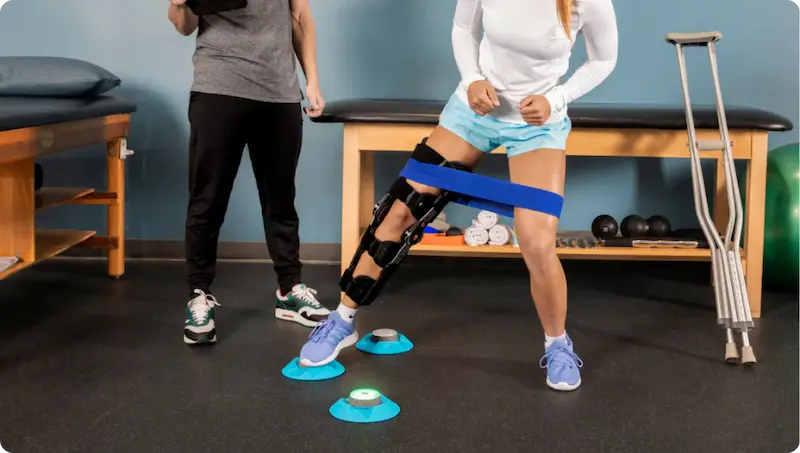
Many people underestimate the role of sports training equipment in their workouts. It’s not just about adding variety—equipment allows you to:
- Train Specific Muscles: Target weak or underdeveloped muscles more effectively.
- Enhance Performance: Improve strength, agility, speed, and endurance.
- Prevent Injuries: Proper equipment helps maintain correct form and reduces stress on joints.
- Keep Workouts Interesting: New tools and exercises prevent boredom and promote consistency.
Whether your goal is weight loss, muscle gain, or sports-specific performance, using the right equipment can accelerate your progress.
Types of Sports Training Equipment
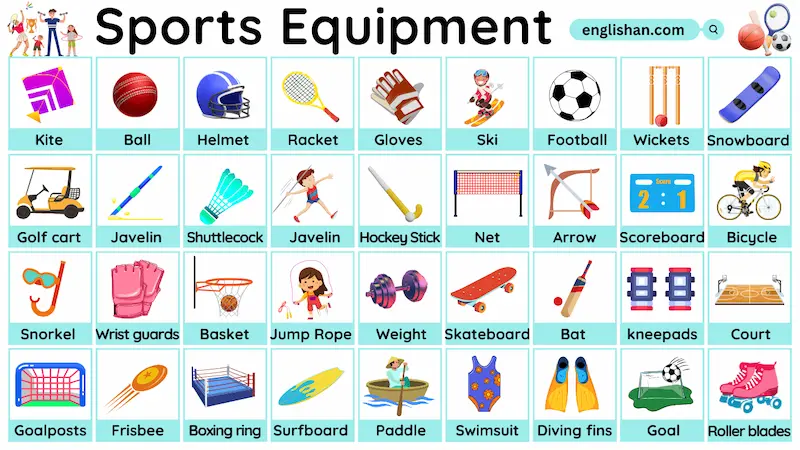
There’s a wide range of sports training equipment designed to meet different training needs. Let’s break down the most effective types:
1. Resistance Bands
Resistance bands are one of the most versatile tools you can have. They come in various resistance levels, allowing beginners and advanced athletes to use them effectively.
Benefits:
- Improves muscle strength without heavy weights.
- Portable, lightweight, and easy to use anywhere.
- Ideal for rehabilitation exercises and injury prevention.
Popular Exercises: Squats, chest presses, rows, and lateral walks.
2. Dumbbells and Kettlebells
Free weights like dumbbells and kettlebells are essential for building strength and functional fitness. They allow for a wide variety of exercises targeting almost every muscle group.
Benefits:
- Improves overall muscle tone and endurance.
- Enhances core stability and balance.
- Suitable for high-intensity interval training (HIIT) and strength circuits.
Popular Exercises: Bicep curls, deadlifts, goblet squats, kettlebell swings.
3. Medicine Balls
Medicine balls are weighted balls used for dynamic exercises that improve power and explosiveness. They are particularly useful for athletes in sports requiring rotational strength, such as basketball, tennis, and football.
Benefits:
- Enhances core and upper body strength.
- Improves hand-eye coordination and reaction time.
- Useful for functional and plyometric training.
Popular Exercises: Slams, rotational throws, chest passes, wall tosses.
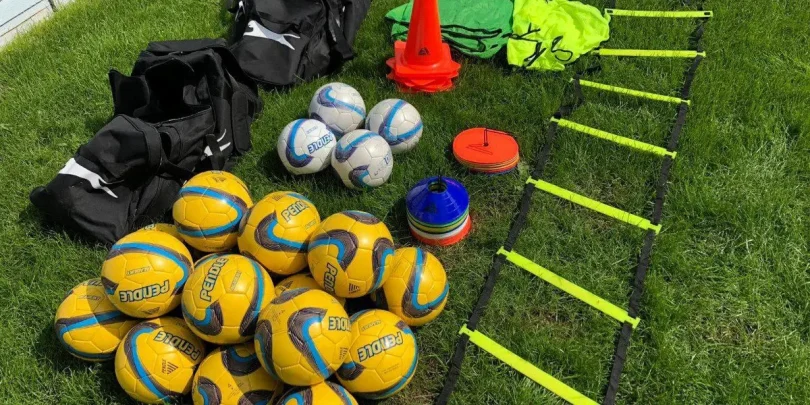
4. Agility Ladders and Cones
Agility ladders and cones are simple yet highly effective tools to improve footwork, coordination, and speed. Athletes in soccer, basketball, and football rely on these tools to enhance performance.
Benefits:
- Increases speed and reaction time.
- Improves balance, coordination, and agility.
- Suitable for both beginners and advanced athletes.
Popular Drills: Ladder sprints, lateral shuffles, cone zigzags, and T-drills.
5. Foam Rollers
Recovery is a vital part of any training program, and foam rollers are excellent for this purpose. They help loosen tight muscles, improve flexibility, and speed up recovery after workouts.
Benefits:
- Reduces muscle soreness and stiffness.
- Increases blood flow to muscles.
- Enhances flexibility and range of motion.
Popular Use: Pre-workout warm-ups, post-workout recovery, and myofascial release.
6. Pull-Up Bars and Suspension Trainers
Pull-up bars are excellent for upper body and core strength, while suspension trainers allow you to perform a full-body workout using your own body weight. These tools improve strength, stability, and balance simultaneously.
Benefits:
- Builds strong shoulders, arms, and back muscles.
- Engages multiple muscle groups at once.
- Portable and space-saving.
Popular Exercises: Pull-ups, chin-ups, push-ups, rows, and planks.
7. Cardio Machines
Cardio machines like treadmills, rowing machines, and stationary bikes are ideal for endurance and cardiovascular fitness. They allow controlled, low-impact workouts that are perfect for building stamina and burning calories.
Benefits:
- Improves cardiovascular health.
- Supports weight loss and fat burning.
- Suitable for indoor training regardless of weather conditions.
Popular Use: Steady-state cardio, interval training, and warm-up exercises.
You may also like to read this:
Top Gym And Training Outfits To Boost Your Performance
Team Sports Clothing: Guide To Performance & Comfort
Lightweight Sports Apparel For Comfort And Performance
Best Durable Activewear For Comfort, Style, And Performance
Resistance Bands For Training: Tips, Benefits, And Exercises
Tips for Choosing the Right Sports Training Equipment
When selecting sports training equipment, it’s important to choose tools that match your goals, experience level, and available space. Here are some tips:
- Define Your Goals: Are you focusing on strength, endurance, agility, or flexibility? Choose equipment accordingly.
- Prioritize Quality: Durable, high-quality equipment lasts longer and ensures safety during workouts.
- Consider Space: If you train at home, make sure your equipment fits comfortably in your space.
- Progressive Training: Select equipment that allows you to increase resistance or intensity as you improve.
- Versatility: Opt for multi-purpose tools like resistance bands or kettlebells to get more exercises out of fewer items.
Maintaining Your Sports Training Equipment
Proper care ensures your equipment remains safe and effective for years:
- Wipe down machines and weights after use.
- Inspect bands, ropes, and straps for wear and tear.
- Store equipment in a dry, cool place to prevent damage.
- Replace worn-out tools promptly to avoid injury.
Conclusion
Investing in the right sports training equipment can elevate your workouts, improve performance, and reduce injury risk. From resistance bands and free weights to agility ladders and foam rollers, having a variety of tools ensures that your training is effective, challenging, and fun.
Remember, it’s not just about working hard—it’s about working smart. Equip yourself with the right gear, stay consistent, and watch your athletic performance soar to the next level.
FAQs About Sports Training Equipment
1. What is the most essential sports training equipment for beginners?
For beginners, resistance bands, dumbbells, and a yoga mat are ideal. They are versatile, affordable, and easy to use for building basic strength and flexibility.
2. How often should I use sports training equipment?
It depends on your goals. For general fitness, 3–5 times per week is sufficient. Athletes may train daily with a mix of strength, cardio, and agility exercises.
3. Can I use sports training equipment at home?
Absolutely! Many tools like resistance bands, kettlebells, pull-up bars, and foam rollers are portable and perfect for home workouts.
4. Do I need expensive equipment to see results?
Not necessarily. High-quality resistance bands, dumbbells, and medicine balls can provide excellent results without breaking the bank. The key is consistency and proper technique.
5. How do I maintain my sports training equipment?
Wipe down after each use.
Check for wear and tear.
Store in a dry, cool place.
Replace damaged equipment promptly.