
If you’re searching for a versatile, effective, and convenient way to boost your workouts, resistance bands for training are an absolute game-changer. These elastic bands may look simple, but they deliver powerful results when it comes to building strength, improving flexibility, and enhancing overall fitness. Whether you’re just starting your fitness journey or you’re a seasoned athlete, resistance bands can be adapted to fit almost any exercise routine, from light stretching to intense strength training.
In fact, they are one of the most underrated fitness tools out there, allowing you to work your muscles in a controlled, joint-friendly way. Let’s dive into why resistance bands should be an essential part of your training and how to use them effectively.
Why Choose Resistance Bands for Training?
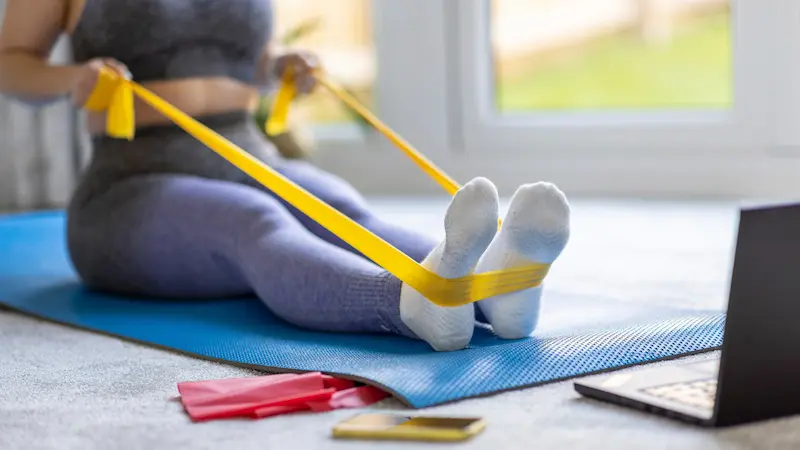
Resistance bands are more than just affordable alternatives to gym equipment—they’re versatile tools that offer countless benefits. Here’s why they are worth adding to your workout routine:
1. Portable and Convenient
One of the biggest advantages of resistance bands is their portability. Unlike bulky gym machines or heavy dumbbells, these bands are lightweight and take up almost no space. You can slip them into your bag and take them to the park, office, or even on vacation. This means no matter where you are, you can squeeze in a full-body workout without needing a gym.
2. Full-Body Workout
Resistance bands allow you to target every major muscle group. From arms and shoulders to glutes and legs, they offer exercises for the whole body. You can do squats, chest presses, bicep curls, tricep extensions, glute bridges, lateral leg lifts, and much more. The versatility is almost limitless, making them perfect for strength, endurance, and toning.
3. Adjustable Resistance
Bands come in a range of resistance levels, typically categorized as light, medium, heavy, and extra-heavy. This means beginners can start with a manageable resistance and gradually increase it as they get stronger. You can even combine bands to create higher resistance or modify exercises to make them easier or harder.
4. Joint-Friendly Training
Unlike free weights or machines that can put stress on your joints, resistance bands provide a smooth, controlled tension. This makes them excellent for injury prevention, rehabilitation, and low-impact workouts. They allow your muscles to work fully without risking unnecessary strain on your joints.
5. Fun and Versatile
Resistance bands aren’t just functional—they can make your workouts fun! You can combine them with bodyweight exercises, free weights, or even machines for variety. They’re also great for Pilates, yoga, mobility exercises, and rehabilitation programs, keeping your workouts fresh and effective.
Types of Resistance Bands for Training
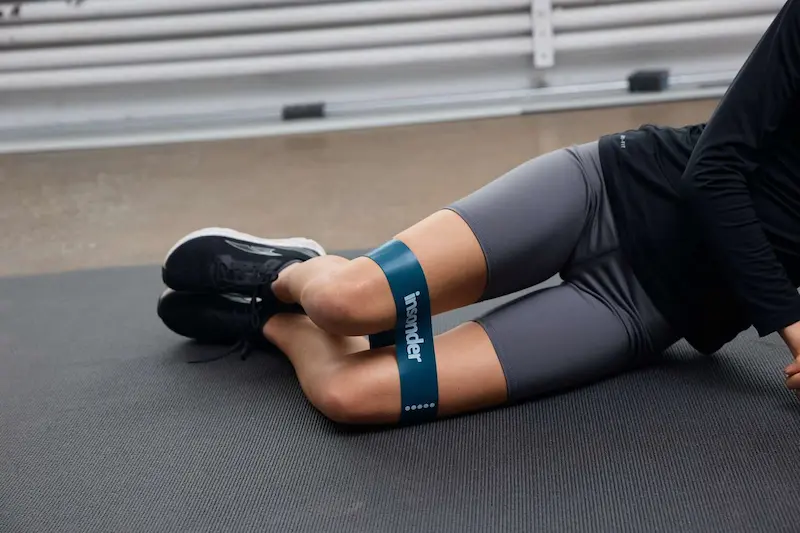
Choosing the right type of resistance band can make a big difference in your workouts. Here are the most common types:
1. Loop Bands
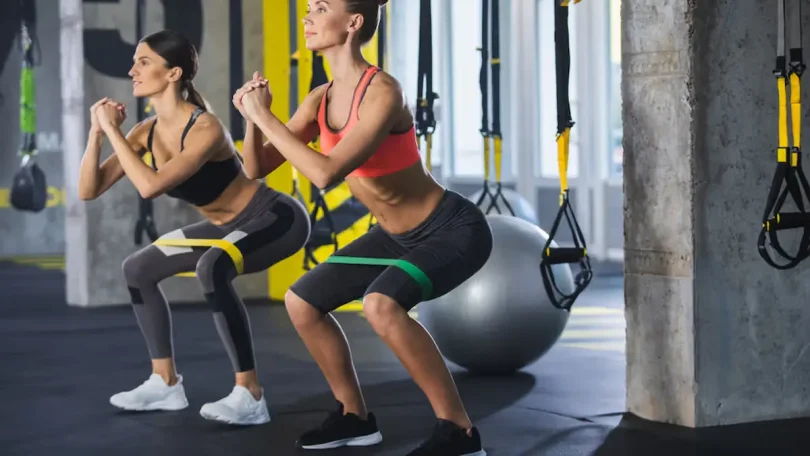
Loop bands are circular and come in various thicknesses. They are perfect for lower-body exercises such as squats, glute bridges, lateral walks, and hip activation movements.
2. Tube Bands with Handles
These bands usually have handles on both ends and are ideal for upper-body workouts. You can perform presses, rows, curls, and shoulder exercises, simulating the feel of dumbbells or cable machines.
3. Therapy Bands
Flat and lightweight, therapy bands are often used in physical therapy and rehabilitation. They are excellent for gentle stretching, mobility exercises, and controlled movements.
4. Mini Bands
Mini bands are smaller loops that target smaller muscle groups like the glutes, hips, and thighs. They’re perfect for activation exercises and adding resistance to lower-body movements.
How to Incorporate Resistance Bands into Your Training
Resistance bands are extremely versatile, and there are several ways to use them effectively:
Warm-Up
Start your workout with a light resistance band to activate muscles before heavier exercises. This is especially helpful for hip, shoulder, and leg muscles.
Strength Training
Add bands to traditional exercises like squats, lunges, push-ups, or chest presses. The bands increase resistance throughout the movement, making your muscles work harder and improving strength and endurance.
Stretching and Flexibility
Bands can assist with deep stretches, helping you improve your range of motion. They are particularly useful for hamstring, shoulder, and hip stretches.
Rehabilitation
Resistance bands provide controlled tension, making them ideal for injury recovery and physical therapy. They allow gradual strengthening without overloading muscles or joints.
You may also like to read this:
Women Athletic Apparel: Style, Comfort & Performance
Top Gym And Training Outfits To Boost Your Performance
Team Sports Clothing: Guide To Performance & Comfort
Lightweight Sports Apparel For Comfort And Performance
Best Durable Activewear For Comfort, Style, And Performance
Tips for Effective Resistance Band Workouts
- Choose the Right Resistance Level – Pick a band that challenges you but still allows proper form. Start light if you’re a beginner.
- Maintain Proper Form – Even though bands are low-impact, poor form can still lead to injury. Focus on posture and controlled movements.
- Control the Movement – Avoid letting the band snap back quickly. Use slow, deliberate motions to maximize muscle engagement.
- Incorporate Variety – Mix different bands, angles, and exercises to hit all muscle groups and prevent plateau.
- Track Your Progress – Gradually increase resistance or repetitions to challenge your muscles and continue building strength.
Sample Resistance Band Exercises
Here are a few exercises to get you started:
- Squat with Band – Place a loop band above your knees and perform squats to activate glutes and thighs.
- Bicep Curl with Handles – Step on the band and curl handles toward your shoulders for a bicep burn.
- Glute Bridge with Mini Band – Place a mini band above your knees, lift your hips, and squeeze glutes at the top.
- Lateral Band Walks – Place a loop band around your ankles and step sideways to strengthen hips and thighs.
- Chest Press – Anchor a tube band behind you and push forward like a dumbbell press.
Conclusion
Resistance bands for training are more than just a fitness accessory—they’re a versatile, affordable, and highly effective tool for strength, flexibility, and overall fitness. They allow you to work your entire body, improve mobility, prevent injuries, and make your workouts fun and portable.
Whether you want to tone your muscles, recover from injury, or enhance your home workouts, resistance bands make it easy to stay fit anywhere.
So grab a band, get moving, and watch your strength and flexibility improve faster than you might expect!
FAQs About Resistance Bands for Training
1. What are resistance bands used for?
Resistance bands are versatile tools used for strength training, flexibility exercises, rehabilitation, and mobility work. They allow you to perform full-body workouts by providing adjustable resistance for almost any muscle group.
2. Are resistance bands effective for building muscle?
Yes! Resistance bands provide continuous tension on muscles throughout each movement, which can increase strength, tone, and endurance. They can complement free weights or be used alone for a highly effective workout.
3. What types of resistance bands are there?
The most common types include:
Loop Bands: Circular bands, ideal for lower-body exercises.
Tube Bands with Handles: Great for upper-body exercises like curls, presses, and rows.
Therapy Bands: Flat bands used for rehab and stretching.
Mini Bands: Small loops targeting hips, thighs, and glutes.
4. Can beginners use resistance bands?
Absolutely! Resistance bands are beginner-friendly because they allow adjustable resistance levels. Beginners should start with light bands and focus on proper form before progressing to heavier bands.
5. Are resistance bands safe for joints?
Yes, resistance bands are low-impact and provide smooth, controlled tension, making them gentle on joints. They are often recommended for injury recovery, physical therapy, and low-impact workouts.