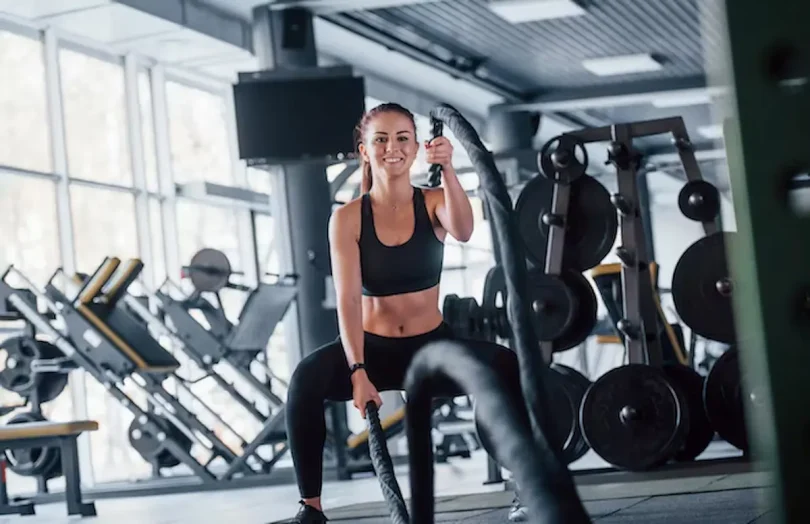

If you’re serious about working out, the right gym and training outfits can make a world of difference. Think about it—when you wear clothing that fits well, moves with your body, and helps manage sweat, your workouts feel more comfortable, efficient, and even enjoyable. On the other hand, the wrong outfit can cause chafing, restrict movement, and make you feel self-conscious.
In this guide, we’ll explore everything you need to know to choose the best gym and training outfits that combine style, comfort, and performance.
Why Gym and Training Outfits Are Important
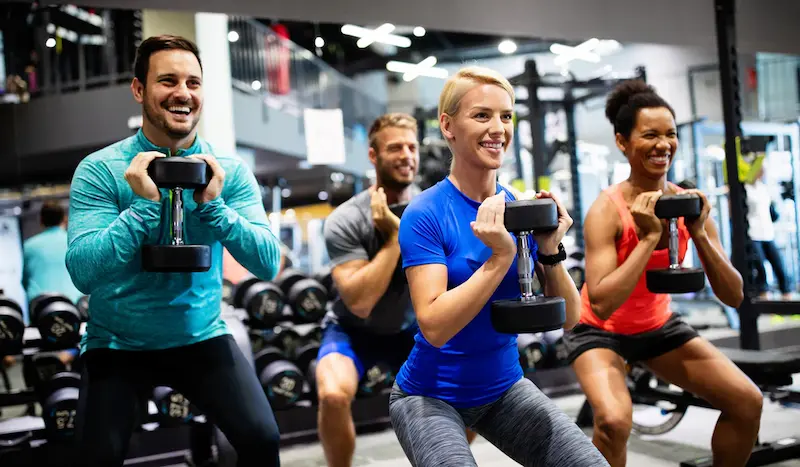
Many people underestimate the role of clothing in fitness. The right gym and training outfits do more than just look good—they enhance your workout in several ways:
- Comfort: Modern athletic wear is designed to move with your body. Breathable fabrics reduce friction and irritation, so you can focus entirely on your exercises.
- Performance: High-quality fabrics wick sweat away from the body, helping regulate your temperature during high-intensity workouts. Compression gear can even improve blood flow and muscle recovery.
- Confidence: Looking good while working out can boost motivation. When you feel confident in your outfit, you’re more likely to stick to your routine.
- Safety: Certain outfits, like supportive sports bras, padded gloves, or proper footwear, reduce the risk of injury during exercises like weightlifting or HIIT workouts.
Key Components of Gym and Training Outfits
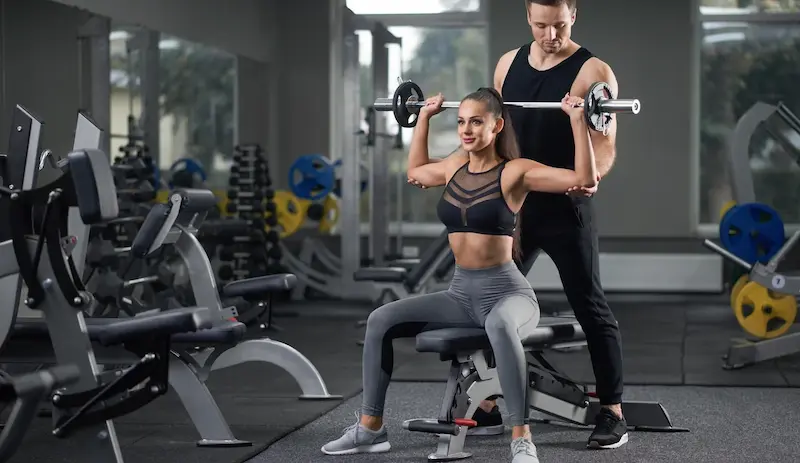
Understanding the different elements of gym clothing helps you select pieces that suit your workout type and personal style.
1. Tops
- T-Shirts: Lightweight, breathable, and moisture-wicking t-shirts are essential for almost any workout. Look for fabrics like polyester blends that dry quickly.
- Tank Tops: Perfect for high-intensity cardio, yoga, or strength training. They allow maximum airflow and keep your arms free.
- Long-Sleeve Workout Tops: Ideal for colder climates or outdoor exercises. Modern materials keep you warm without restricting your range of motion.
- Compression Shirts: These fit snugly and support your muscles, helping reduce fatigue and improve performance.
2. Bottoms
- Leggings: High-stretch, breathable leggings are perfect for yoga, Pilates, running, or weight training. Look for high-waist options for extra support.
- Yoga Pants: Similar to leggings, these are designed for flexibility and comfort. Many have moisture-wicking properties.
- Shorts: Lightweight shorts allow maximum freedom of movement and are great for cardio workouts, running, or summer training.
- Track Pants/Sweatpants: Comfortable for strength training or outdoor workouts in cooler weather. Many have tapered fits for mobility.
- Compression Shorts: Improve circulation, reduce muscle fatigue, and provide support during intense exercises.
3. Footwear
- Running Shoes: Cushioning and shock absorption make them perfect for running, jogging, or cardio workouts.
- Training/Cross-Training Shoes: Designed for multi-directional movement, lifting, and HIIT workouts.
- Weightlifting Shoes: Offer a stable base for lifting, improving posture and performance.
4. Accessories
- Sports Bras: Essential for support, especially during high-impact workouts.
- Socks: Moisture-wicking and cushioned socks prevent blisters and keep your feet comfortable.
- Gym Gloves: Protect your hands from calluses during weightlifting or bar exercises.
- Headbands & Caps: Help manage sweat and keep hair out of your face.
Choosing the Right Gym and Training Outfits
Selecting the perfect gym outfit goes beyond color and style. Here are tips to make smart choices:
- Prioritize Comfort: Your outfit should allow full mobility. Avoid anything that restricts your movements.
- Check Fabric Properties: Look for sweat-wicking, breathable, and quick-drying materials to stay cool and dry.
- Fit Matters: Proper fit ensures you feel comfortable and confident. Baggy clothes can get in the way, while overly tight clothing may restrict movement.
- Consider Your Workout Type: High-impact workouts may need compression gear, while yoga might require stretchy leggings and loose tops.
- Layering: For outdoor workouts, layering with hoodies, jackets, or vests can help regulate temperature.
- Invest in Quality: While it may cost more upfront, high-quality gym clothing lasts longer, performs better, and provides more comfort.
You may also like to read this:
Top Performance Workout Equipment For Effective Training
Endurance Gear For Athletes: Boost Performance
Top Elite Sports Performance Gear For Peak Training Results
Sportswear For Men: Style, Comfort & Performance
Women Athletic Apparel: Style, Comfort & Performance
Gym and Training Outfit Trends
Staying stylish in the gym has become part of fitness culture. Current trends include:
- Matching Sets: Coordinated tops and bottoms create a polished, put-together look.
- High-Waisted Leggings: Popular for their flattering fit and support during exercises.
- Bold Colors and Patterns: Vibrant hues and eye-catching prints are everywhere.
- Minimalist Styles: Simple, neutral tones remain timeless and versatile.
- Tech-Enhanced Fabrics: Some clothing now has anti-odor properties, temperature regulation, or compression benefits.
Caring for Your Gym and Training Outfits
Proper care ensures your gym wear stays effective and comfortable:
- Wash in cold water to prevent shrinking and fabric damage.
- Avoid fabric softeners as they reduce moisture-wicking properties.
- Air dry instead of using a dryer to maintain elasticity.
- Rotate your outfits to prevent over-wearing and stretching.
- Store properly to avoid wrinkles and maintain shape.
FAQs About Gym and Training Outfits
Q1: Can I wear regular clothes for the gym?
You can, but gym-specific clothing offers better comfort, flexibility, and sweat management, enhancing your workout performance.
Q2: Are compression clothes worth it?
Yes! They provide muscle support, improve blood flow, reduce fatigue, and can even aid recovery after intense workouts.
Q3: How often should I replace my gym outfits?
High-quality gym clothes can last 6–12 months depending on usage and care. Replace them when they lose elasticity or the fabric becomes worn.
Q4: What should I wear for yoga?
Flexible, stretchable leggings and a fitted top or tank are ideal. Avoid loose clothing that may shift during poses.
Conclusion
Investing in the right gym and training outfits is about more than style—it’s about comfort, performance, and confidence. From tops and bottoms to footwear and accessories, each piece plays a role in helping you get the most out of your workout.
By choosing the right fabrics, fit, and styles for your specific needs, you’ll enjoy every session and stay motivated to reach your fitness goals. So gear up, look great, and let your workout wear inspire you to push harder every day.