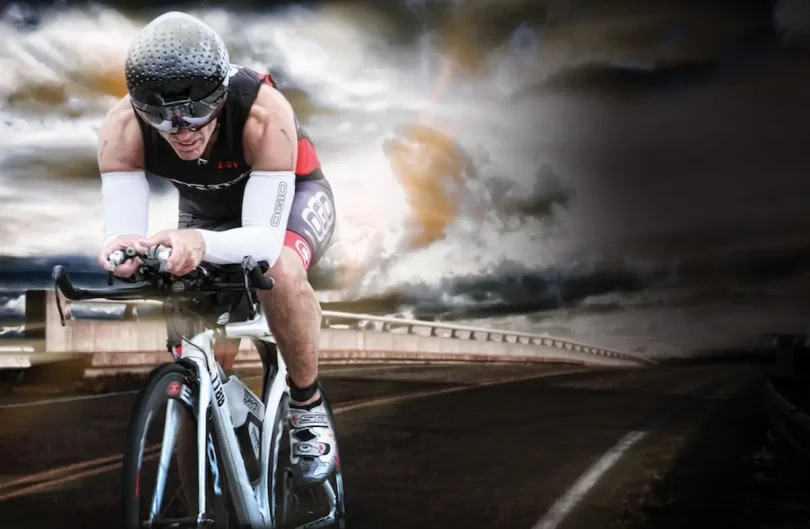

If you’re serious about improving your stamina, going the extra mile, or pushing yourself in long-duration workouts, having the right endurance gear for athletes is a game-changer. Endurance training isn’t just about mental toughness—it’s also about having the right equipment that supports your body, enhances performance, and keeps you comfortable and injury-free.
In this guide, I’ll take you through all the essentials, explain why they matter, and give you tips to make smart choices for your training.
What Is Endurance Gear for Athletes?

Endurance gear for athletes refers to specialized equipment and clothing designed to support long-duration physical activities. Unlike casual or short workouts, endurance activities put your body through hours of sustained effort, making comfort, efficiency, and injury prevention critical. The right gear not only helps you perform better but also helps you maintain consistency and recover faster.
In simple terms, endurance gear is anything that helps your body handle prolonged exertion, from your shoes and clothing to hydration packs, performance trackers, and recovery tools.
Why Endurance Gear Matters
You might be wondering: “Why not just wear regular workout clothes and shoes?” Here’s why investing in proper endurance gear makes a huge difference:
- Prevents Injuries: Proper shoes, compression gear, and protective clothing reduce the risk of strains, sprains, and blisters.
- Improves Performance: Gear like performance trackers, heart rate monitors, and GPS devices help you train smarter, not just harder.
- Enhances Comfort: Sweat-wicking fabrics, cushioned shoes, and ergonomic hydration systems make long workouts manageable and enjoyable.
- Supports Recovery: Recovery tools like foam rollers and compression sleeves reduce soreness and allow faster adaptation to training.
Essential Endurance Gear for Athletes
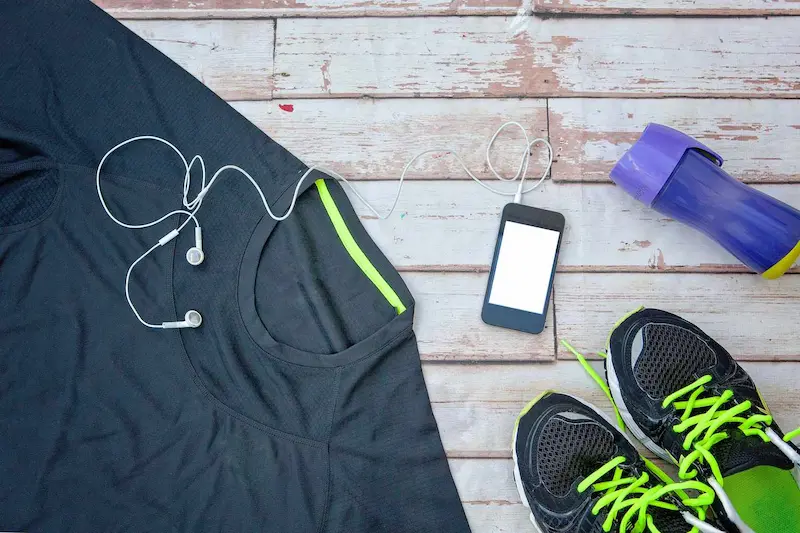
Let’s break down the gear you absolutely need to succeed in endurance training:
1. High-Performance Footwear
Your shoes are the most important piece of endurance gear. The wrong pair can ruin your training or even cause injuries. Look for:
- Cushioning: Absorbs impact, especially on long runs or trail surfaces.
- Arch Support: Prevents overpronation or supination, which can lead to knee or hip pain.
- Durability: High-mileage shoes are designed to last through hundreds of training miles.
- Specialized Types:
- Running shoes for road or trail running.
- Cycling shoes with proper cleats.
- Triathlon shoes designed for multi-sport transitions.
- Running shoes for road or trail running.
Tip: Replace running shoes every 300–500 miles to maintain support and cushioning.
2. Moisture-Wicking Apparel
Comfort is everything in endurance training. The right clothing helps regulate body temperature and prevent chafing. Key considerations:
- Technical Shirts & Shorts: Made from synthetic fabrics that wick sweat away from the skin.
- Compression Gear: Supports muscles, improves blood flow, and reduces fatigue.
- Socks: Avoid cotton socks; look for breathable, cushioned socks that prevent blisters.
- Layering Options: For cold-weather training, lightweight layers and windbreakers help maintain body heat without adding bulk.
Tip: Always test new clothing on training runs before race day to avoid surprises.
3. Hydration Solutions
Staying hydrated is essential for endurance athletes. Even mild dehydration can hurt performance and recovery. Options include:
- Hydration Packs: Perfect for long runs, hikes, or cycling adventures. Packs often include pockets for nutrition, phones, and essentials.
- Water Bottles: Reusable, durable bottles or soft-flask options are ideal for short to medium training sessions.
- Electrolyte Supplements: Replace sodium, potassium, and magnesium lost through sweat to prevent cramping.
Tip: Drink small amounts regularly rather than large amounts infrequently.
4. Performance Monitors
Tracking progress is critical to improving endurance. Consider these tools:
- Smartwatches/Fitness Trackers: Monitor heart rate, pace, distance, and calories burned.
- Heart Rate Monitors: Help train in the correct intensity zones for optimal endurance gains.
- GPS Devices: Track routes and elevation, and help plan training progression.
Tip: Use data to adjust workouts, not just obsess over numbers—listen to your body too.
5. Protective Gear
Endurance athletes often train in varied weather and terrains. Protective gear can make a huge difference:
- Sunglasses: UV protection and glare reduction are essential for outdoor training.
- Hats and Visors: Shield your face from sun and rain.
- Gloves & Pads: Particularly important for cyclists, mountain bikers, or trail runners.
Tip: Choose lightweight, breathable gear that doesn’t restrict movement.
6. Recovery Tools
Endurance training stresses muscles and joints. Recovery tools help you bounce back faster:
- Foam Rollers: Release tension in muscles and fascia.
- Massage Guns: Target sore muscles for faster recovery.
- Compression Sleeves & Socks: Reduce inflammation and support circulation after long workouts.
- Cold Therapy or Ice Packs: Helps reduce swelling after intense sessions.
Tip: Include recovery as part of your routine—ignoring it can lead to overuse injuries.
You may also like to read this:
Ultimate Athlete Performance Gear Guide For Fitness Lovers
High Performance Training Gear Buying Guide 2025
Pro Sports Gear: Complete Guide For Smarter Buying
Top Performance Workout Equipment For Effective Training
How to Choose the Right Endurance Gear
Here’s a practical guide for selecting gear that works best for you:
- Understand Your Sport: Running gear isn’t ideal for cycling or triathlon; choose based on your main activity.
- Prioritize Fit & Comfort: Discomfort can derail training faster than lack of motivation.
- Invest Wisely: Quality gear may cost more upfront but lasts longer and performs better.
- Test Gear in Training: Never rely on new equipment on race day; always try it in practice sessions.
- Consider Conditions: Gear for hot climates differs from cold-weather or trail gear.
Conclusion
Choosing the right endurance gear for athletes is not just about looking professional—it’s about performance, safety, and long-term enjoyment. From specialized footwear and moisture-wicking apparel to hydration solutions, performance trackers, and recovery tools, each piece of gear plays a vital role in your endurance journey. By investing in quality gear and using it wisely, you can train smarter, prevent injuries, and reach your athletic goals faster.
Remember: endurance is built over time, and the right gear makes every mile, pedal, and step more manageable and effective. Gear up smartly, train consistently, and enjoy the journey!
FAQs
1. What is endurance gear for athletes?
Specialized equipment and apparel designed for long-duration activities, including shoes, clothing, hydration systems, and recovery tools.
2. Why is endurance gear important?
It improves comfort, prevents injuries, boosts performance, and supports recovery during long workouts.
3. What should I look for in endurance shoes?
Cushioning, arch support, durability, and a proper fit specific to your activity (running, cycling, trail).
4. Is moisture-wicking clothing necessary?
Yes, it keeps you dry, prevents chafing, and may reduce muscle fatigue.
5. How important is hydration?
Critical—hydration packs, bottles, or electrolytes prevent fatigue and improve performance.