

When it comes to playing on a team, the right gear is more than just a uniform—it’s a combination of comfort, performance, and team identity. Team sports clothing plays a vital role in how athletes perform, feel, and represent their team on the field or court.
Whether you’re part of a soccer team, basketball squad, volleyball crew, or any other team sport, understanding the different types of clothing, materials, and features is essential. In this guide, we’ll explore every aspect of team sports clothing in a detailed and user-friendly way.
Why Team Sports Clothing Is Important
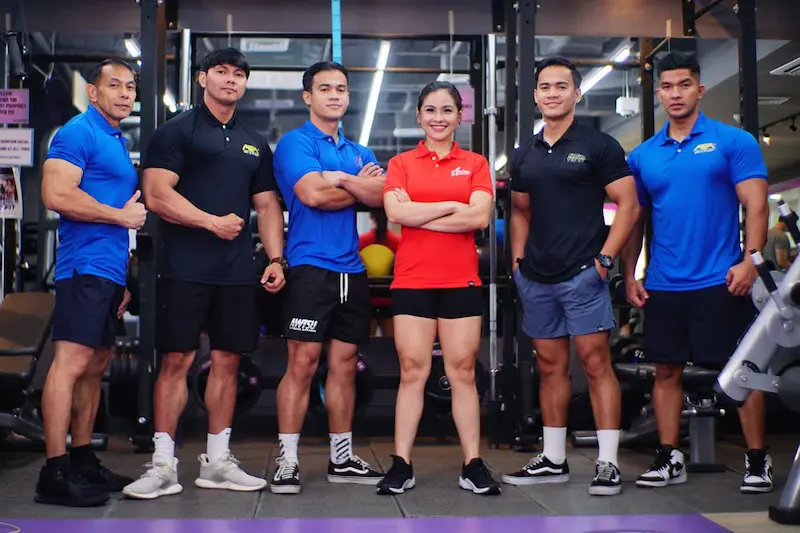
Team sports clothing is often underestimated, but it has a huge impact on an athlete’s experience and performance. Here’s why:
- Enhances Performance: Advanced sports clothing uses breathable, moisture-wicking fabrics to keep athletes dry and comfortable. This allows you to focus on the game without distractions caused by sweat or heat.
- Provides Comfort: Comfortable clothing reduces the risk of irritation, chafing, or restriction during movement. Proper fit is critical for long training sessions and intense games.
- Strengthens Team Identity: Uniforms give players a sense of unity and belonging. Wearing the same colors, logos, and designs can improve team spirit and boost confidence.
- Supports Safety: Some sports clothing is designed with safety in mind, including padded areas or compression wear that supports muscles and joints, reducing the risk of injuries.
Key Types of Team Sports Clothing
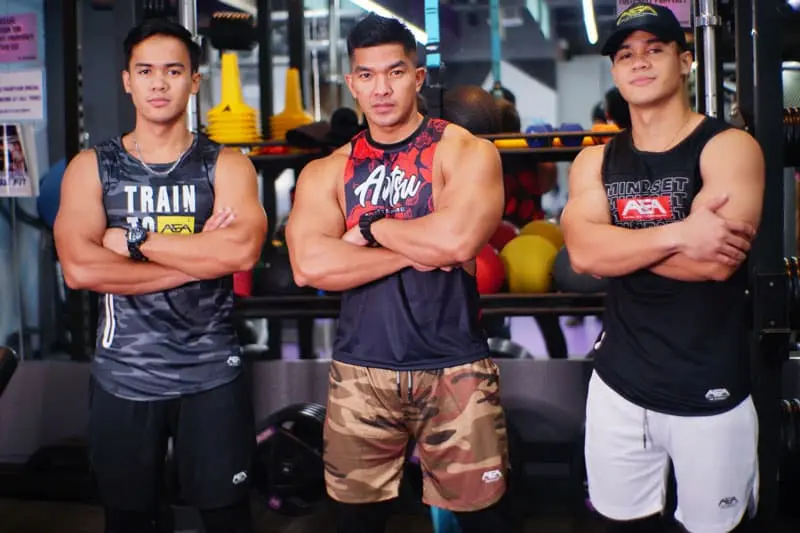
Different sports require specific clothing, but there are common essentials every team athlete needs. Let’s explore them in detail:
1. Jerseys and Team Shirts
The jersey is the most recognizable part of any team’s uniform. Today’s jerseys are designed for comfort and performance:
- Materials: Typically made from polyester or other moisture-wicking fabrics to keep players dry.
- Design: Most jerseys feature the team’s logo, player names, and numbers. This personalization builds pride and identity.
- Fit: Jerseys should be loose enough to allow movement but fitted enough to prevent excess fabric from hindering performance.
Different sports may require variations: soccer jerseys are lighter and breathable, basketball jerseys are sleeveless for arm movement, and hockey jerseys may be thicker to accommodate padding underneath.
2. Shorts and Bottoms
Comfortable, flexible bottoms are essential for mobility:
- Materials: Lightweight, breathable fabrics like polyester blends.
- Features: Some shorts include inner liners or compression layers for support.
- Sport-specific considerations: Soccer shorts often have a relaxed fit for running, basketball shorts are longer for coverage and comfort, while volleyball shorts are usually shorter for agility.
Compression pants or leggings are also common for colder weather or for muscle support, helping reduce fatigue and risk of strain.
3. Socks and Footwear
The right socks and shoes are crucial:
- Socks: Athletic socks provide cushioning, moisture management, and prevent blisters. Many teams use high-performance socks that offer arch and ankle support.
- Footwear: Shoes must match the sport—soccer cleats, basketball sneakers, running shoes, or turf shoes. Proper footwear enhances traction, stability, and overall safety.
4. Outerwear and Warm-Ups
Warm-ups are just as important as game-day gear:
- Purpose: Helps athletes stay warm before games, prevents muscle strain, and allows gradual preparation.
- Types: Tracksuits, hoodies, jackets, and team-branded sweatshirts.
- Features: Lightweight, breathable fabrics for layering, sometimes with zippered pockets or reflective designs for outdoor training.
5. Compression and Performance Wear
Compression clothing is designed to optimize performance and recovery:
- Benefits: Improves blood circulation, reduces muscle fatigue, and supports joints and muscles during high-intensity activity.
- Common types: Compression shirts, shorts, leggings, and sleeves.
- Usage: Can be worn under uniforms during games or training sessions for additional support.
How to Choose the Right Team Sports Clothing
Selecting the perfect team sports clothing involves considering performance, comfort, and style. Here’s a detailed checklist:
- Material: Look for moisture-wicking, breathable fabrics. Avoid cotton, which retains sweat and can become heavy.
- Fit: Clothing should allow full range of motion but not be overly loose. For contact sports, avoid overly baggy clothing that could be grabbed or snagged.
- Durability: Frequent washing and wear are common. High-quality fabrics with reinforced seams last longer and maintain their shape.
- Design & Customization: Team colors, logos, and numbers matter for identity. Digital printing and embroidery are common options for personalization.
- Climate Considerations: For outdoor sports, pick clothing appropriate for temperature. Lightweight, breathable fabrics for summer; insulated layers for colder weather.
- Sport-Specific Needs: Each sport has unique requirements. For example, padded clothing for hockey, flexible sleeves for basketball, or moisture-wicking long sleeves for running sports.
You may also like to read this:
Top Performance Workout Equipment For Effective Training
Endurance Gear For Athletes: Boost Performance
Top Elite Sports Performance Gear For Peak Training Results
Sportswear For Men: Style, Comfort & Performance
Women Athletic Apparel: Style, Comfort & Performance
Caring for Your Team Sports Clothing
Proper maintenance extends the life and performance of your clothing:
- Wash in cold water: Prevents shrinking and color fading.
- Avoid fabric softeners: They reduce moisture-wicking abilities.
- Air-dry when possible: Preserves elasticity and prevents damage from heat.
- Separate team uniforms: Avoid color transfer or damage from rough fabrics.
- Regular inspection: Check for wear and tear, especially in high-friction areas like seams and underarms.
The Future of Team Sports Clothing
Technology is transforming team sports clothing:
- Smart Fabrics: Clothing with sensors can monitor heart rate, body temperature, or movement efficiency.
- Sustainable Materials: Eco-friendly fabrics made from recycled fibers are becoming popular.
- Customizable Performance Gear: Teams can now design uniforms for optimal fit, ventilation, and style.
Investing in modern, high-quality team sports clothing isn’t just about aesthetics—it’s about giving athletes the tools to perform at their best while staying safe and comfortable.
Conclusion
Choosing the right team sports clothing is a game-changer for any athlete. From jerseys and shorts to socks, shoes, and compression gear, each piece plays a crucial role in performance, comfort, and team identity. By selecting durable, breathable, and sport-specific clothing, teams can not only look professional but also perform at their peak.
Whether you’re a coach, player, or team organizer, understanding the ins and outs of team sports clothing ensures your team is prepared, comfortable, and ready to win.
FAQs About Team Sports Clothing
1. What is the best material for team sports clothing?
The best materials are lightweight, breathable, and moisture-wicking fabrics like polyester, spandex blends, or performance synthetics. Avoid cotton as it absorbs sweat and can become heavy during games.
2. How should team sports clothing fit?
Clothing should allow full range of motion without being restrictive. Jerseys and shorts should be snug but not tight, while compression wear should be fitted to support muscles. Avoid overly loose clothing that could get caught or slow you down.
3. Can team sports clothing improve performance?
Yes. Modern sports clothing is designed to regulate body temperature, wick away sweat, and support muscles. Compression wear can also reduce fatigue and help with recovery, which can boost overall performance.
4. Do I need different clothing for practice and games?
It depends. While jerseys and shorts can be used for both, some teams prefer separate practice kits to preserve game-day uniforms. Compression wear, socks, and footwear may remain the same.
5. How do I choose the right shoes for my sport?
Choose shoes designed specifically for your sport:
Soccer: Cleats for traction on grass or turf.
Basketball: Sneakers with ankle support and cushioning.
Volleyball: Lightweight indoor court shoes for agility.
Proper footwear reduces injury risk and improves performance.