
When it comes to fitness, the right footwear can make or break your workout. If you’re serious about training, investing in durable training sneakers is one of the smartest moves you can make. Whether you’re hitting the gym, running, doing cross-training, or engaging in high-intensity workouts, these sneakers provide the support, stability, and comfort your feet need while standing up to heavy use over time.
Durable training sneakers aren’t just about lasting longer—they enhance your performance, protect your feet and joints, and even motivate you to train harder. Let’s dive deep into why these sneakers matter, how to choose the right pair, and tips to keep them performing their best.
Why Durable Training Sneakers Matter

Your sneakers are the foundation of your workout. Here’s why durability is so important:
- Longevity: High-quality sneakers are built to last. Investing in a durable pair means you won’t have to replace them every few months, saving money and effort in the long run.
- Enhanced Performance: Durable sneakers maintain their cushioning and shape even under intense use, giving you consistent support during every session.
- Foot and Joint Protection: Sneakers that wear out quickly can lead to imbalanced support, increasing the risk of injuries such as sprains, shin splints, or plantar fasciitis.
- Confidence in Every Move: When your shoes feel solid and reliable, you can push your limits without worrying about slipping, sliding, or discomfort.
Key Features to Look For in Durable Training Sneakers
Not all sneakers are created equal. When choosing durable training sneakers, focus on these features:
1. High-Quality Materials
Durable sneakers are made from premium materials like genuine leather, reinforced mesh, or durable synthetic fabrics. These materials resist tearing, stretching, and wear, even during intense workouts.
2. Solid Outsoles
The outsole is the part of the shoe that contacts the ground, so it takes the most wear. Look for thick rubber outsoles with good tread patterns to provide traction and withstand repeated impact.
3. Cushioning and Midsole Support
A strong midsole absorbs shock, reducing stress on your feet, ankles, and knees. EVA foam or polyurethane midsoles are common in durable sneakers, offering both comfort and stability.
4. Breathability
Even the sturdiest sneakers need ventilation. Breathable materials like mesh or perforated uppers help prevent sweat build-up, keeping your feet cool and dry during long sessions.
5. Proper Fit and Arch Support
Durable sneakers aren’t just tough—they must fit well. Proper arch support prevents foot fatigue and keeps your feet aligned, reducing the risk of injury.
6. Reinforced Toe and Heel
High-stress areas like the toe and heel often wear out first. Reinforced stitching or overlays in these zones adds extra durability.
Types of Durable Training Sneakers
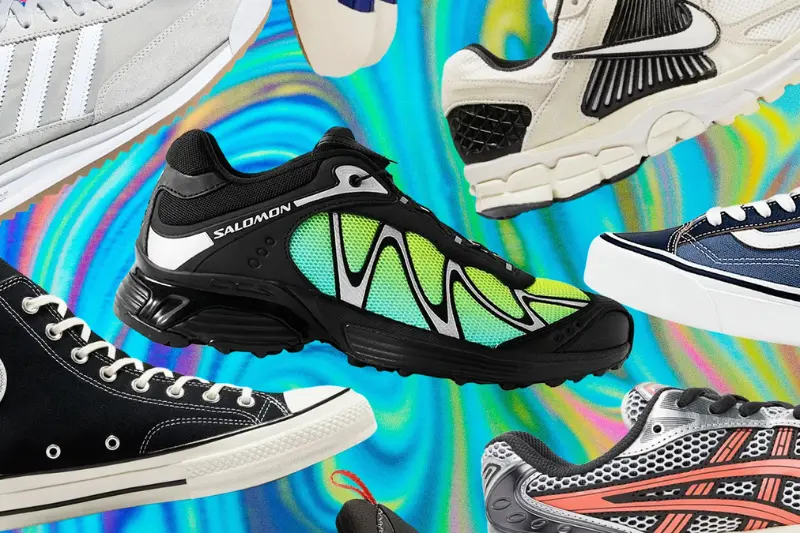
Your choice depends on the type of workouts you do:
1. Cross-Trainers
Cross-trainers are versatile, designed for multi-directional movements. Perfect for gym sessions that include lifting, running, and agility drills.
2. Running Shoes
For those who include running in their training, durable running shoes offer cushioning and impact absorption. Look for shoes with strong soles and breathable uppers to handle repeated foot strikes.
3. Weightlifting Sneakers
Weightlifting shoes provide a solid, flat base for heavy lifting. They reduce instability during squats and deadlifts, protecting your joints while maximizing power transfer.
4. HIIT or Training-Specific Sneakers
High-intensity interval training requires shoes that can handle quick lateral movements, jumps, and sprints. Look for durable sneakers with reinforced side support and flexible yet stable soles.
How to Maintain Your Durable Training Sneakers
Even the best sneakers need care to extend their lifespan:
- Clean Them Regularly: Remove dirt, sweat, and grime to prevent materials from breaking down. Use a soft brush and mild soap for cleaning.
- Rotate Your Shoes: Using multiple pairs alternately allows each pair to air out and retain its shape.
- Check for Wear: Inspect soles and cushioning regularly. Replace your shoes when you notice reduced support or excessive wear.
- Store Properly: Keep them in a cool, dry place, away from direct sunlight or damp areas. Avoid tossing them in a gym bag for days on end.
You may also like to read this:
Running Shoes For Athletes: Guide To Peak Performance
Guide To Training Sneakers Men: Choose The Right Pair Today
Women Sports Shoes For Comfort, Style & Performance
Best High Performance Athletic Shoes For Every Workout
Best Lightweight Running Footwear For Every Runner
Tips for Choosing the Perfect Pair
- Know Your Workout Style: Are you lifting, running, or doing HIIT? Choose sneakers designed for your primary activity.
- Try Them On: Comfort and fit are essential. Always try sneakers on with the type of socks you usually wear.
- Test Flexibility: Bend the shoes in your hands; they should flex where your foot naturally bends.
- Read Reviews: Look for user feedback on durability, comfort, and performance.
Final Thoughts
Your workouts deserve the best foundation possible, and that starts with durable training sneakers. Investing in a pair built to last not only improves performance but also protects your feet, joints, and overall health. Whether you’re running, lifting, or doing high-intensity training, the right pair of sneakers will support every move and motivate you to push further.
Remember, quality, fit, and care are key—choose wisely, and your sneakers will reward you with long-lasting comfort, stability, and performance.
FAQs About Durable Training Sneakers
1. What are durable training sneakers?
Durable training sneakers are specially designed shoes built to withstand regular and intense workouts. They provide long-lasting support, cushioning, and stability while maintaining their shape and comfort over time.
2. Why should I choose durable sneakers over regular sneakers?
Regular sneakers may wear out quickly under heavy training, losing support and cushioning. Durable sneakers protect your feet, reduce injury risk, and perform consistently even during intense workouts.
3. How do I know if my training sneakers are durable?
Look for high-quality materials, reinforced stitching, thick rubber soles, proper cushioning, and good arch support. User reviews and brand reputation also help identify durable options.
4. Can I use durable training sneakers for multiple activities?
Yes! Cross-training sneakers and many high-quality training shoes are designed for a variety of workouts, including running, weightlifting, and HIIT exercises.
5. How long do durable training sneakers last?
With proper care, most durable training sneakers can last anywhere from 8 months to 2 years, depending on frequency and intensity of use.